Leafwell’s licensed providers help anxiety patients explore medical cannabis as a supervised treatment option — online, same day, in most states.
- ✓Anxiety qualifies directly in 8 states and territories — Pennsylvania, New Jersey, New Mexico, Nevada, North Dakota, Delaware, New Hampshire, and Puerto Rico
- ✓CBD-dominant options for symptom relief without intoxication
- ✓Physician-supervised, lab-tested, state-regulated products

Key takeaways
- Anxiety qualifies directly in 8 states and territories — Pennsylvania, New Jersey, New Mexico, Nevada, North Dakota, Delaware, New Hampshire, and Puerto Rico
- In ~28 states, PTSD is the practical qualifying route for anxiety patients
- CBD activates 5-HT1A serotonin receptors — the same target as SSRIs — without psychoactive effects
- Low-dose THC may reduce anxiety; high-dose THC can worsen it. Dose and ratio guidance from a physician matters
- Medical cannabis works best as an adjunct to therapy, not a replacement for it
65%improvement in quality of life reported by medical cannabis patients with anxiety
64%reduction in anxiety symptoms reported in clinical registry data

35%improvement in sleep quality in anxiety patients using medical cannabis
Understanding anxiety and its impact
Anxiety disorders affect tens of millions of Americans, interfering with daily functioning through persistent worry, racing thoughts, sleep disruption, muscle tension, and panic attacks that affect work, relationships, and quality of life.
For some, anxiety is situational; for others, it becomes chronic. Generalized anxiety disorder (GAD), panic disorder, and social anxiety disorder significantly reduce quality of life without effective treatment. Many manage anxiety through therapy, lifestyle modifications, and prescription medications, but treatment responses vary widely.
When anxiety continues despite treatment
For many people living with anxiety, the most difficult part is not the diagnosis itself — it is the ongoing search for effective symptom management.
Patients may experience partial symptom relief, persistent panic attacks, sleep disruption, or medication side effects such as fatigue and cognitive dulling. When anxiety persists despite conventional treatment, patients and providers may discuss additional approaches. Medical cannabis enters conversations not as a replacement but as a potential adjunct option within a supervised medical framework.
How cannabis may help anxiety
Cannabis interacts with the endocannabinoid system, which regulates stress responses, mood, and sleep patterns. Two primary compounds behave differently:
- CBD (Cannabidiol): A non-intoxicating compound that activates 5-HT1A serotonin receptors — the same target as SSRIs. Research suggests it may reduce anxiety without psychoactive effects.[1]
- THC (Tetrahydrocannabinol): Can produce relaxation at lower doses for some individuals. Higher doses may worsen anxiety in sensitive users — dose and ratio guidance is clinically important.
Dose and formulation matter significantly. Medical guidance helps patients select appropriate cannabinoid ratios and dosing strategies for their specific anxiety presentation.
Low doses of THC may reduce anxiety for some patients. High doses of THC can trigger or significantly worsen anxiety, paranoia, and panic in others — particularly in people already predisposed to anxiety disorders. CBD-dominant or balanced THC:CBD products are generally recommended as a starting point, with THC titrated slowly upward under physician guidance.
Anxiety may qualify you for a medical cannabis card.
See if you qualify in your state — most approvals completed same day.
- ✓Get approved in minutes
- ✓Same-day appointments available
- ✓Money back guarantee
Choosing cannabis products for anxiety
Rather than strain names, clinical importance centers on cannabinoid profile and terpene content.
- CBD-dominant products: Higher CBD, minimal THC — for relief without significant psychoactive effects. Best starting point for most anxiety patients.
- Balanced THC:CBD (1:1): Moderate levels of both cannabinoids. Some respond best to balanced ratios, particularly for sleep-related anxiety.
- Low-THC products: Lower THC reduces anxiety-worsening risk while still providing some cannabinoid synergy.
Responses vary from person to person, which is why individualized medical guidance is recommended before starting cannabis for anxiety. For a closer look at specific cultivars patients discuss, see our guide to the best strains for anxiety.
Anxiety and medical marijuana eligibility by state
Anxiety qualifies for a medical marijuana card in some states but not all. A handful of states list anxiety disorders directly as a qualifying condition, several more allow patients to qualify through a related diagnosis such as PTSD, and in others a licensed provider may certify eligibility at their discretion.
| State | Anxiety qualifying? | How to qualify |
|---|---|---|
| Alabama | Not directly | Via PTSD (panic disorder listed; anxiety alone is not) |
| Alaska | No | Anxiety and PTSD not listed |
| Arizona | Not directly | Via PTSD |
| Arkansas | Not directly | Via PTSD |
| California | At provider’s discretion | Physician may certify any qualifying condition |
| Colorado | Not directly | Via PTSD |
| Connecticut | Not directly | Via PTSD (anxiety alone does not qualify) |
| Delaware | Yes — CBD-rich card only | Anxiety qualifies for low-THC (CBD-rich) card |
| Florida | Not directly | Via PTSD |
| Georgia | Not directly | Via PTSD |
| Guam | Not directly | Via PTSD |
| Hawaii | Not directly | Via PTSD |
| Illinois | Not directly | Via PTSD |
| Iowa | Not directly | Via PTSD |
| Louisiana | Not directly | Via PTSD or provider’s debilitating-condition judgment |
| Maine | At provider’s discretion | Certifying provider decides; no fixed list |
| Maryland | Not directly | Via PTSD |
| Massachusetts | At provider’s discretion | “Other debilitating conditions” per provider |
| Michigan | Not directly | Via PTSD |
| Minnesota | Not directly | Via PTSD (anxiety disorders explicitly excluded) |
| Mississippi | Not directly | Via PTSD |
| Missouri | Not directly | Via PTSD or psychiatric-disorder provider judgment |
| Montana | Not directly | Via PTSD |
| Nevada | Yes — listed directly | Anxiety disorders qualify (note: PTSD not listed) |
| New Hampshire | Yes — listed directly | Anxiety qualifies |
| New Jersey | Yes — listed directly | Anxiety is an approved condition |
| New Mexico | Yes — listed directly | Anxiety disorder is an approved condition |
| New York | At provider’s discretion | Provider may certify any appropriate condition |
| North Dakota | Yes — listed directly | Anxiety disorder is an approved condition |
| Northern Mariana Islands | Not directly | Via PTSD |
| Ohio | Not directly | Via PTSD (anxiety and depression explicitly excluded) |
| Oklahoma | At provider’s discretion | No fixed list; physician certifies |
| Oregon | Not directly | Via PTSD |
| Pennsylvania | Yes — listed directly | “Anxiety Disorders, Panic Disorders” |
| Puerto Rico | Yes — listed directly | Anxiety disorders qualify |
| Rhode Island | Not directly | Via PTSD |
| South Dakota | No | Anxiety and PTSD not listed |
| Texas | Not directly | Via PTSD (Compassionate Use Program) |
| US Virgin Islands | Not directly | Via PTSD or provider’s therapeutic-benefit judgment |
| Utah | Not directly | Via PTSD |
| Vermont | Not directly | Via PTSD |
| Virginia | At provider’s discretion | Practitioner may certify any diagnosed condition |
| Washington | Not directly | Via PTSD |
| Washington D.C. | At provider’s discretion | No fixed list; provider decides |
| West Virginia | Not directly | Via PTSD |
Note: Qualifying conditions change; confirm current rules during your Leafwell evaluation. States without active medical programs (Idaho, Indiana, Kansas, Kentucky, Nebraska, North Carolina, South Carolina, Tennessee, Wisconsin, Wyoming) are not listed.
How patients with anxiety access medical cannabis
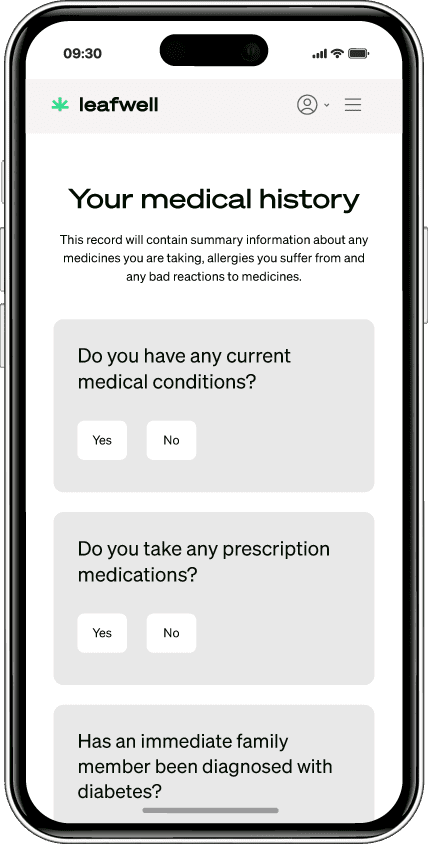
- Medical evaluation — A licensed provider reviews anxiety diagnosis, symptom history, and current medications to determine if medical cannabis is appropriate.
- Certification if appropriate — If the provider determines cannabis may be beneficial, they issue certification under the state’s medical marijuana program.
- State registration — Patients complete registration with their state’s health department to obtain the medical marijuana ID card.
- Access regulated products — Once approved, patients purchase lab-tested cannabis from licensed dispensaries with clearly labeled THC and CBD levels.
Anxiety may qualify you for a medical cannabis card.
Living with anxiety? Get your medical cannabis card online in minutes — with larger purchase limits and up to 40% in tax savings.
- ✓Get approved in minutes
- ✓Same-day appointments available
- ✓Money back guarantee
Medical cannabis helped Angela manage her anxiety.
After trying conventional treatments, Angela found meaningful relief with the help of a Leafwell physician and a personalized cannabis care plan.

“When used in the right amounts, it truly helps me relax and feel better about myself.”
Angela, Leafwell patient since 2019 *name and photo changed for privacy
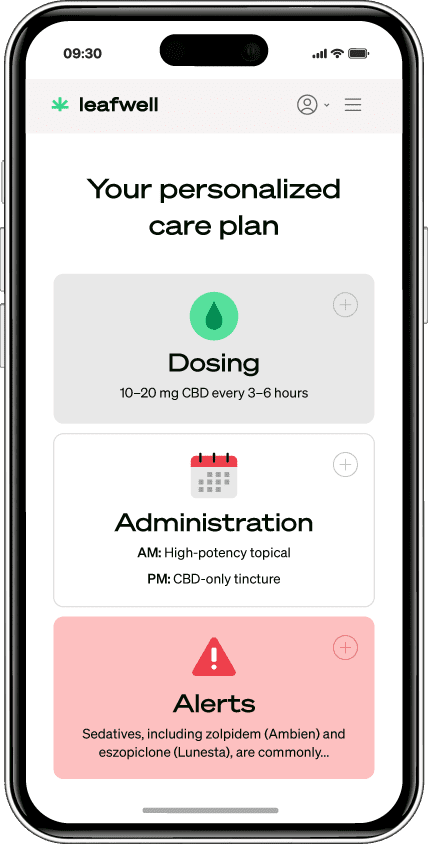
A cannabis care plan, tailored to your needs
We’ve made it simple to get personalized guidance from a cannabis-knowledgeable pharmacist — no medical card required.
Frequently asked questions
Can you get a medical cannabis card for anxiety?
It depends on your state. Some states explicitly list anxiety disorders as qualifying conditions, while others include it under broader categories or allow provider discretion. In many states, PTSD is the practical qualifying route for anxiety patients. A Leafwell provider can tell you whether your anxiety qualifies in your state.
Does CBD or THC work better for anxiety?
CBD is generally favored for anxiety due to its calming effects without the psychoactive component of THC. However, low doses of THC combined with CBD (a balanced 1:1 ratio) can also be effective. High doses of THC alone may worsen anxiety in some individuals, so careful dosing under physician guidance is key.
Can medical cannabis help with panic attacks?
Some patients report that cannabis — particularly CBD-dominant products — can reduce the frequency and intensity of panic attacks. However, responses vary, and for some people THC can trigger anxiety at higher doses. A healthcare provider can help you find the right product and dosing approach.
Is medical cannabis safe to use alongside anxiety medications?
Cannabis can interact with some medications, including SSRIs and benzodiazepines. CBD inhibits certain liver enzymes that metabolize SSRIs, which can increase blood levels. It’s important to disclose all current medications to your Leafwell provider during your consultation so they can assess safety and make appropriate recommendations.
How long does it take for medical cannabis to reduce anxiety?
Onset time depends on the delivery method. Inhalation takes effect within minutes; tinctures typically within 15–45 minutes; edibles or capsules can take 1–2 hours but offer longer duration. Many patients notice symptom improvement over the first few weeks of consistent, low-dose use.
Which states list anxiety as a qualifying condition?
Eight states and territories list anxiety disorders directly: Pennsylvania, New Jersey, New Mexico, Nevada, North Dakota, Delaware (CBD-rich card only), New Hampshire, and Puerto Rico. Seven more allow it at the certifying provider’s discretion. See the state table above for full detail.
Can I qualify through PTSD instead of anxiety?
Yes — in many states where anxiety alone doesn’t qualify (such as Florida and Texas), PTSD is an accepted qualifying condition. For most of the country, PTSD is the practical route to certification for anxiety patients.
How do I get a medical card for anxiety online?
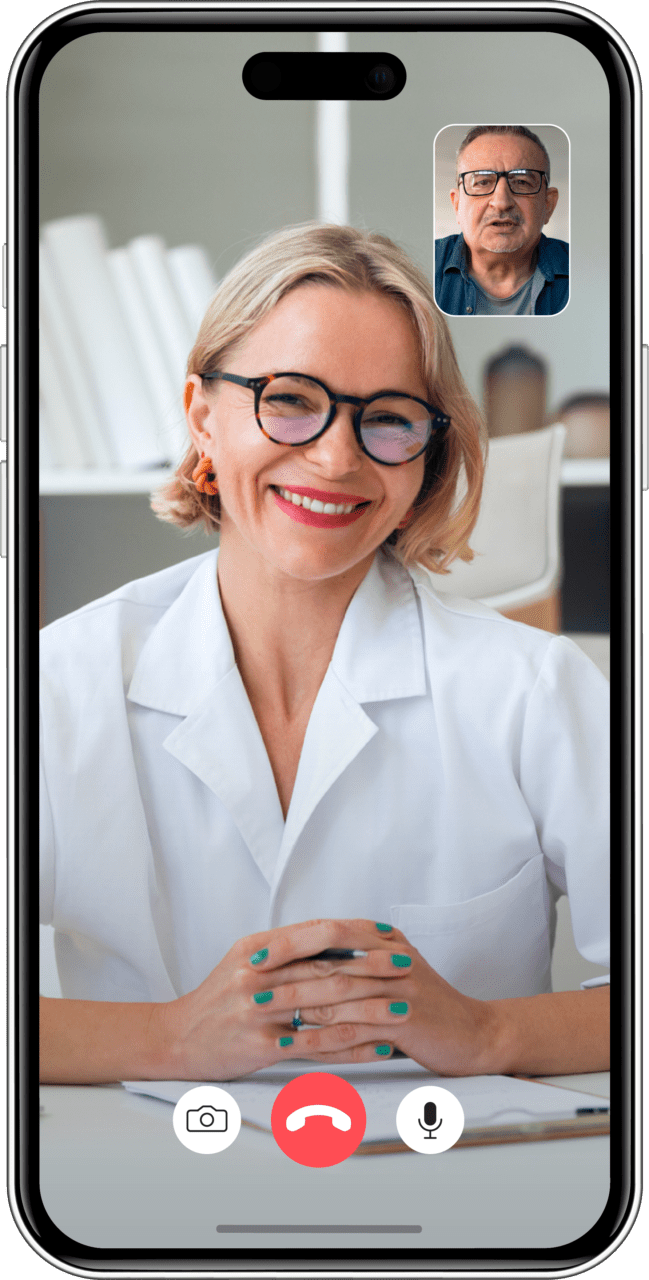
Select your state, complete a video evaluation with a licensed Leafwell physician, and if approved you receive your certification the same day. Most patients complete the process in under 30 minutes.
Let cannabis help you find calm in the quiet
Begin your journey now — schedule a physician consultation today and get approved in minutes.
References
- Blessing, E.M., et al. (2015). Cannabidiol as a Potential Treatment for Anxiety Disorders. Neurotherapeutics, 12(4), 825–836.
- Lichenstein, S.D. (2022). THC, CBD, and Anxiety: Dose-response relationships. Current Addiction Reports.
- Turna, J., et al. (2022). Clinical outcomes of medicinal cannabis therapy for generalized anxiety disorder. Expert Review of Clinical Pharmacology.
- Halford, L., et al. (2022). Medical cannabis use in Canada and its impact on anxiety and depression. Psychiatry Research.
- UK Medical Cannabis Registry data on anxiety outcomes. Psychopharmacology.